
Trade Financing in Singapore: Funding the Gap Between Order and Payment
Pay suppliers before customers pay you? A 15-year trade finance consultant explains letters of credit, trust receipts, and invoice financing for Singapore SMEs.
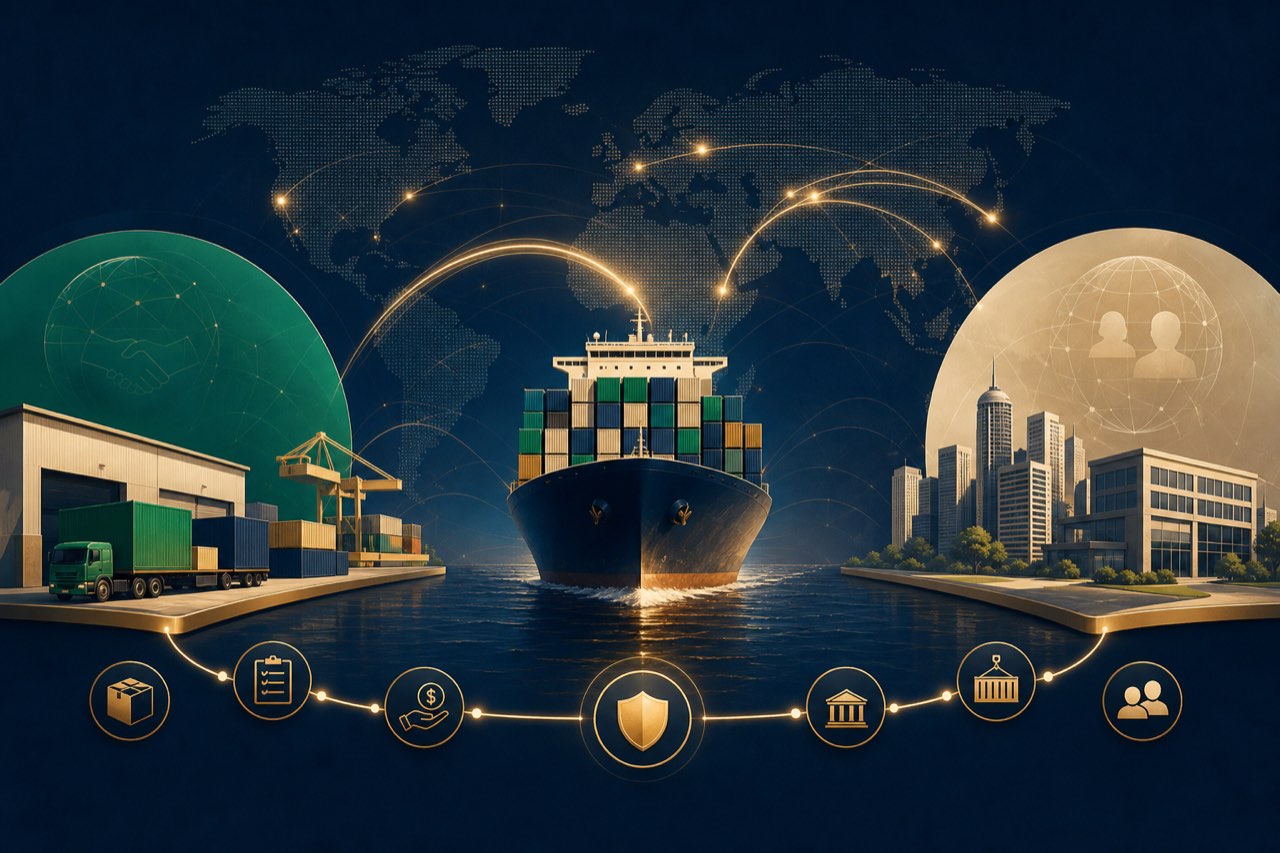
Import and export businesses live in a timing gap. You pay suppliers before goods arrive, clear stock, deliver to buyers, and then wait 30 to 90 days to get paid. Trade financing exists to bridge exactly that gap, so your cash is not locked up in every shipment cycle.
After 15 years arranging trade facilities for Singapore SMEs, here is how the route works, which tool fits which situation, and what documents actually matter.
What trade financing solves
Trade financing is bank-backed funding matched to your trade cycle. It is not a general-purpose loan for overhead. It is designed for the moment between paying a supplier and receiving payment from your buyer.
Three common tools:
| Tool | What it does | Typical use |
|---|---|---|
| Letter of credit (LC) | Bank promise to pay supplier on shipment docs | Overseas supplier needs payment certainty |
| Trust receipt | Finances the import bill while you sell the goods | You need to collect and sell before repaying |
| Invoice financing | Borrows against trade invoices | Paper invoices become usable cash |
How a trade cycle gets financed
Facilities are short term, often around 30 to 180 days, matched to how your business actually trades. The starting point is typically from about S$200,000, subject to your documents and profile.
When this route fits
- You import, export, distribute, or manufacture with overseas suppliers.
- There is a real timing gap between paying suppliers and getting paid.
- You can show purchase orders, commercial invoices, packing lists, and shipping documents such as a bill of lading.
It does not fit if the need is general working capital with no trade cycle behind it. In that case, an unsecured term loan or another route is usually cleaner.
What to have ready
- Purchase orders and commercial invoices
- Packing lists and shipping documents (bill of lading where applicable)
- A clear picture of your buyers, suppliers, and payment terms
- Recent financials and bank statements
Common mistakes I see
- Applying for trade financing when the real need is payroll or rent, not a shipment cycle.
- Underestimating how much document quality matters. Clean, verifiable paperwork speeds everything up.
- Choosing the wrong tool. An LC and a trust receipt solve different problems.
What is the difference between an LC and a trust receipt?
An LC is a bank promise to your overseas supplier that they will be paid once shipment documents are presented. A trust receipt finances the import bill so you can collect and sell the goods, then repay after the trade cycle.
How long does trade financing last?
Typically 30 to 180 days, matched to your cycle. It is short-term by design.
If your business pays before it gets paid, a trade financing review maps the right facility to your cycle.