
Machinery and Equipment Financing in Singapore: Keep Cash Free
Need an excavator, production line, or commercial vehicle without draining reserves? Here is how asset-backed equipment financing works for Singapore SMEs.
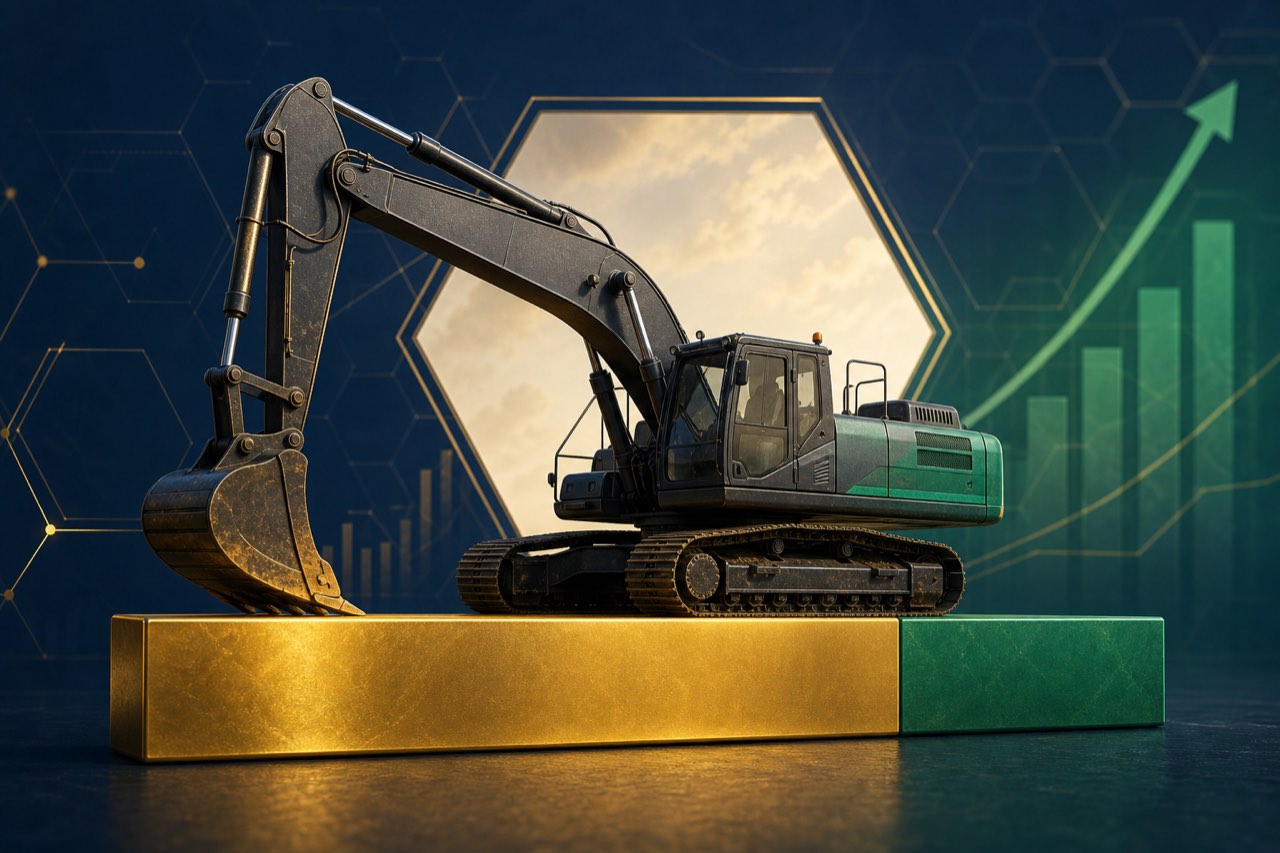
A new excavator, a production line, or a commercial vehicle can unlock the next stage of growth. Paying for it upfront, though, drains the working capital you still need for payroll, stock, and day-to-day operations. Machinery and equipment financing spreads the cost over the asset's working life while keeping cash free.
After 15 years arranging asset-backed facilities for Singapore SMEs, here is how equipment financing works and what lenders actually look for.
What equipment financing is
Machinery and equipment financing is asset-backed funding. The equipment itself acts as security, so you typically contribute a deposit and finance the balance over a tenure matched to how long the asset earns.
That structure lets you acquire capacity without emptying the bank account in one go.
How the cost is usually split
| Portion | Illustrative share | What it means |
|---|---|---|
| Financed | ~80% | Funded against the asset |
| Your deposit | ~20% | Upfront contribution |
The split depends on the asset, its resale value, your profile, and the lender.
What can be financed
Tangible assets with real resale value: cranes, excavators, printing and manufacturing machines, commercial vehicles, and similar. If it is identifiable and has a second-hand market, it is worth a conversation.
When this route fits
- The asset directly supports how the business earns.
- Spreading the cost over its working life makes more sense than a large upfront outlay.
- Your business can comfortably service the monthly repayment.
Resale value matters because the asset is security. Lenders want equipment they could repossess and sell if needed.
What to have ready
- Details of the asset, supplier quote, and intended use
- Recent financials and bank statements
- A clear view of how the asset generates or supports revenue
Common mistakes I see
- Trying to finance assets with little or no resale value.
- Financing equipment that will not generate revenue, then struggling with the repayment.
- Skipping the deposit planning. The upfront portion still needs to come from somewhere.
Do I need a deposit?
Usually about 80% is financed and you contribute the balance as a deposit, illustrative. The split depends on the asset and lender.
Why does resale value matter?
The asset acts as security. Lenders want equipment with a real second-hand market in case they need to recover the facility.
If a big asset purchase is on the horizon, a machinery and equipment financing review maps the realistic split and tenure.